

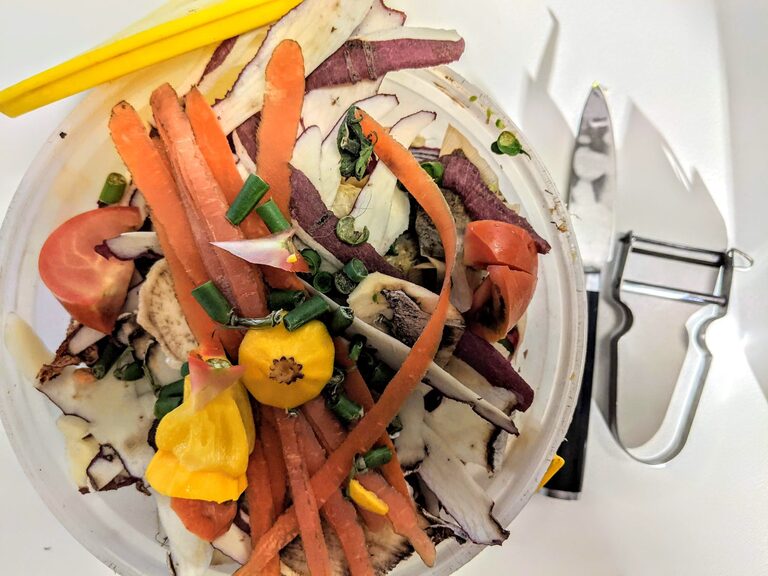
Food waste can happen in small ways: a forgotten bag of greens, leftovers that sit too long, or groceries bought without a plan. Over time, these small amounts add up. Reducing food waste at home can help you save money, simplify meal preparation, and make better use of the food you already have.
The good news is that you do not need to change everything at once. A few simple habits can make a noticeable difference.
Start With a Quick Kitchen Check
Before shopping or planning meals, take a few minutes to see what you already have. Check the refrigerator, freezer, and pantry. Look for foods that need to be used soon and ingredients that can be combined into a meal.
Create a short list of:
– Fresh foods that are close to their best quality
– Open packages that need to be finished
– Frozen foods you may have forgotten
– Pantry items that can serve as meal basics
– Ingredients that need special storage
This check helps prevent duplicate purchases. It also gives you ideas for meals based on what is already available.
Plan Flexible Meals
Meal planning does not have to mean creating a strict schedule for every day. A flexible plan is often easier to follow and creates less waste.
Choose a few meals for the week, then leave room for leftovers and changes. For example, you might plan:
– One meal using fresh vegetables
– One dish that creates leftovers
– One quick pantry meal
– One freezer meal
– A flexible night for unfinished ingredients
When planning, think about how ingredients can be used in more than one dish. A bunch of cilantro can add flavor to tacos, rice bowls, and salads. Roasted vegetables can be served as a side dish, added to pasta, or used in a grain bowl.
Planning this way helps you use ingredients completely instead of buying items for only one recipe.
Shop With a List
A shopping list is one of the easiest tools for reducing food waste. Write down what you need after checking your kitchen, and try to follow the list while shopping.
Before adding an item, ask:
– Do I already have something similar?
– How many meals will use this ingredient?
– Will I have time to prepare it?
– Can I buy a smaller amount?
– Is this a planned purchase or an impulse purchase?
Avoid buying large packages simply because they appear to offer better value. A lower price does not help if the food is never used. Buy quantities that match your household’s needs and cooking habits.
Understand Food Dates
Food labels can be confusing, and many foods remain usable after a quality date has passed. In general, dates often refer to freshness or quality rather than an exact point when food becomes unsafe.
Use your senses and common sense when checking food. Look for unusual odors, visible mold, damaged packaging, or changes in texture. When in doubt, follow the product label and handle food carefully.
Keep foods with earlier dates toward the front of the refrigerator or pantry. This simple “first in, first out” habit makes it easier to use older items before newer ones.
Store Food Properly
Good storage can extend the quality of many foods. Keep foods in the right place and use containers that protect them from air and moisture.
Helpful storage habits include:
– Store herbs in a way that helps them stay fresh, such as placing stems in water when appropriate.
– Keep berries dry until you are ready to use them.
– Store bread in a suitable container or freeze extra portions.
– Keep cut fruits and vegetables in sealed containers.
– Transfer opened pantry foods to airtight containers.
– Label leftovers with the date they were prepared.
– Keep the refrigerator organized so food is easy to see.
Avoid overfilling the refrigerator. When shelves are crowded, food can get pushed to the back and forgotten. Clear containers can also make leftovers easier to identify.
Freeze Food Before It Goes Bad
The freezer is a useful tool for preserving food that you cannot use right away. Freeze extra portions of cooked meals, bread, meat, fruit, vegetables, and other suitable foods.
For best results:
- Divide food into practical serving sizes.
- Use freezer-safe containers or bags.
- Remove as much excess air as possible.
- Label each item with its name and date.
- Place newer items behind older ones.
- Thaw only the amount you expect to use.
Freezing small portions can be especially helpful for households with one or two people. Instead of cooking a full recipe several times, freeze individual servings for future meals.
Make the Most of Leftovers
Leftovers do not have to be repeated exactly as they were served. Use them as ingredients in a new meal.
For example:
– Cooked vegetables can become soup, pasta sauce, or a filling for an omelet.
– Rice can be used in fried rice, bowls, or stuffed vegetables.
– Roasted chicken can be added to sandwiches, salads, or tacos.
– Extra beans can be used in quesadillas, salads, or chili.
– Soft fruit can be blended into smoothies or cooked into a topping.
– Stale bread can become croutons, breadcrumbs, or a baked dish.
Store leftovers where you can see them, and plan a “leftover meal” once or twice a week. This creates a regular opportunity to clear the refrigerator.
Use More of Each Ingredient
Many foods have parts that are commonly discarded but can still be useful. Stems, peels, leaves, and bones may add flavor or texture to other dishes.
Try these ideas:
– Use vegetable scraps to make a flavorful stock.
– Add citrus zest to baked goods, dressings, or marinades.
– Use broccoli stems in stir-fries or soups.
– Add carrot tops to sauces or herb mixtures.
– Turn soft tomatoes into a cooked sauce.
– Use leafy green stems in sautés or blended soups.
Wash produce well and use only parts that are suitable for eating. Some peels and stems may be tough, bitter, or unsuitable, so choose uses that fit the ingredient.
Serve Sensible Portions
Serving too much food can lead to unnecessary waste. Start with smaller portions and allow people to take more if they are still hungry. This works especially well for family meals and gatherings.
When serving food buffet-style, place smaller amounts on the table and refill dishes as needed. This keeps food fresher and makes it easier to save untouched portions.
You can also offer flexible portions by serving certain ingredients separately. For example, keep toppings, sauces, and side dishes in separate bowls so people can choose how much they want.
Build a Simple Food Waste Routine
A routine makes waste reduction easier to maintain. Once a week, spend a few minutes reviewing what needs attention.
Your routine might include:
– Checking the refrigerator for food that should be used soon
– Planning one meal around those ingredients
– Moving older foods to the front
– Freezing anything you cannot use in time
– Cleaning one shelf or drawer
– Updating your shopping list
You can also keep a small note on your phone or refrigerator. Record foods that are often wasted, such as salad greens, bread, or certain fruits. Once you know the pattern, you can buy less, store the food differently, or plan more uses for it.
Turn Scraps Into Compost
Even with careful planning, some food scraps will remain. Composting can keep suitable scraps out of the trash and turn them into a useful soil amendment.
Depending on your local options, you may be able to use a backyard compost pile, a countertop collection system, or a community compost program. Check local guidelines to learn which items are accepted.
Reducing food waste starts with small, repeatable choices. Plan before shopping, store food carefully, use leftovers creatively, and pay attention to what your household actually eats. These habits can help you get more value from every grocery trip while making your kitchen more organized and efficient.